Thoughts go out to the communities experience flooding at this time. From the north border with Canada to the southern part of Minnesota and the Twin Cities.
http://www.nbcnews.com/news/us-news/minnesota-residents-fear-mass-flooding-river-swells-n139396
http://www.twincities.com/localnews/ci_25991554/flood-threat-remains-high-along-minnesota-ontario-border
Through the hard times it's good to see people come together to help out. Filling sandbags, helping clean areas as water subsides, and helping to rebuild areas.
Some of our blue barrels went north to help with docks on Rainy Lake.
Here are some current streamflow values for gage height and discharge.
Showing posts with label flooding. Show all posts
Showing posts with label flooding. Show all posts
Tuesday, June 24, 2014

Monday, August 12, 2013
Shoreline and Streambank Management
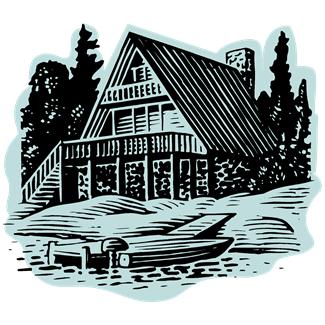
Today I wanted to write about a topic that doesn't necessarily apply to everyone, but is just as important as other, more widely applicable topics. Shoreline and streambank management aren't endeavors you can undertake if you don't live on a stream/river or coast. However, it is still important for you to know about these things so that if you see, say, an unmanicured beach area, you know why it is important that we allow native plants to grow along the water rather than grooming beaches and shoreline areas.
What is it? Shoreline
and streambank management use a variety strategies to keep shorelines and
streambanks stable. Some of these practices include: restoring native vegetation, live staking, brush layering, and many more.
Why do we need it? Developed shorelines and streambanks, or
those without native vegetation, can contribute to a lot of problems.
Erosion: When shorelines are developed or native plants are
cleared so grass lawns give way to sandy beaches, there is an increased risk of
erosion. Usually, soil is held in place
by plants and their roots. Plants also “intercept”
rain, meaning that rain hits the plants and is either absorbed or slowed down
before it hits the soil. This prevents
erosion because the impact of the rain is decreased when it hits a plant first. Waves, ice, and surface runoff have more of
an impact when native vegetation is removed.
Flooding: As native
vegetation and coastal wetlands are filled, the potential for flooding
increases. Coastal wetlands “absorb”
water and store it in, preventing flooding to areas further upland. Without these natural sponges, there’s
nothing to stop this water from flooding upland. Development can also contribute to flooding
through impervious area increases.
Impervious surfaces are those into which water can’t be absorbed, or
infiltrate. Roofs, driveways, roads,
sidewalks, and parking lots are all examples of impervious areas. When it rains on impervious surfaces, this
water “runs off” into lakes and streams rather than soaking into the soil.
Water quality: If a lot of erosion is occurring on a shoreline/streambank,
all of that sand or soil is going into the water. Too much sediment in the water is bad for
aquatic life. Also, if you are
fertilizing or using pesticides on your lawn and garden right on the water’s
edge, those substances could end up in the water.
Excess nutrients from fertilizers can lead to
algal blooms.
These issues don’t just impact the water and the
environment. They can cause problems for
you as well. It’s not great for your
home if the ground beneath it is eroding away or if it is regularly
flooding. Ugly algal blooms probably aren’t
what you want to see out your windows, either.
What can you do to protect your shoreline/streambank? Don’t remove native vegetation if you have
it. Make sure you know what species are
native and which are invasive. If you
have invasive species, find out the most effective ways to eradicate them. If you don’t have any native vegetation and have
a lawn going to the edge of the water, you should stop mowing the lawn by the
water. Plant native plants in these
areas. Native plants are great because
many of them are just as beautiful as non-native ornamental plants, they are
often drought resistant, and they attract birds and other wildlife. There are other strategies for streambank/shoreline management, so see the links below for more information.
-Written by Jillian Schubert Edwards
Tuesday, March 26, 2013
Flood Control Program webinar TODAY
Has your basement flooded? Do you own your home?
If you answered yes to both of these questions, or you previously participated in the City's Backwater Valve Programs, check out the Flood Control Program webinar TODAY.
The purposes of the flood control program is to reduce inflow and infiltration entering the sanitary and combined sewer system through private plumbing and to reduce discharges of untreated domestic wastewater and sanitary sewage to the environment.
We will have Curt Sander-Berg, Engineering Technician/Program Manager and Inspector, presenting the information and available for your questions.
Sign up HERE!
-Written by Jillian Schubert Edwards
If you answered yes to both of these questions, or you previously participated in the City's Backwater Valve Programs, check out the Flood Control Program webinar TODAY.
The purposes of the flood control program is to reduce inflow and infiltration entering the sanitary and combined sewer system through private plumbing and to reduce discharges of untreated domestic wastewater and sanitary sewage to the environment.
We will have Curt Sander-Berg, Engineering Technician/Program Manager and Inspector, presenting the information and available for your questions.
Sign up HERE!
-Written by Jillian Schubert Edwards
Thursday, December 6, 2012
Climate Change and Stormwater
Rising global temperatures can lead to more extreme weather events (larger storms, longer droughts, etc.) More intense rainfall events can bring increased flooding, runoff and erosion. This could lead to major issues for many municipalities as stormwater conveyance systems were built with historical weather events in mind. Municipalities may not be equipped to handle frequent, intense storms that could become the normal with increasing temperatures.
So what does this mean for you? More frequent extreme weather events that current stormwater conveyance and storage measures cannot handle could lead to flooding and property damage. Some ways to mitigate these effects include: decreasing impervious surfaces to allow for more stormwater infiltration, planting trees and maintaining riparian buffers to prevent erosion, and using low impact development (LID) practices for new development. Implementing preventative measures now can help us weather the storm in the future.
To learn more about climate change and stormwater, visit these pages:
Wisconsin Initiative on Climate Change Impacts Stormwater Working Group
-Written by Jillian Schubert Edwards
-Written by Jillian Schubert Edwards
Subscribe to:
Posts (Atom)